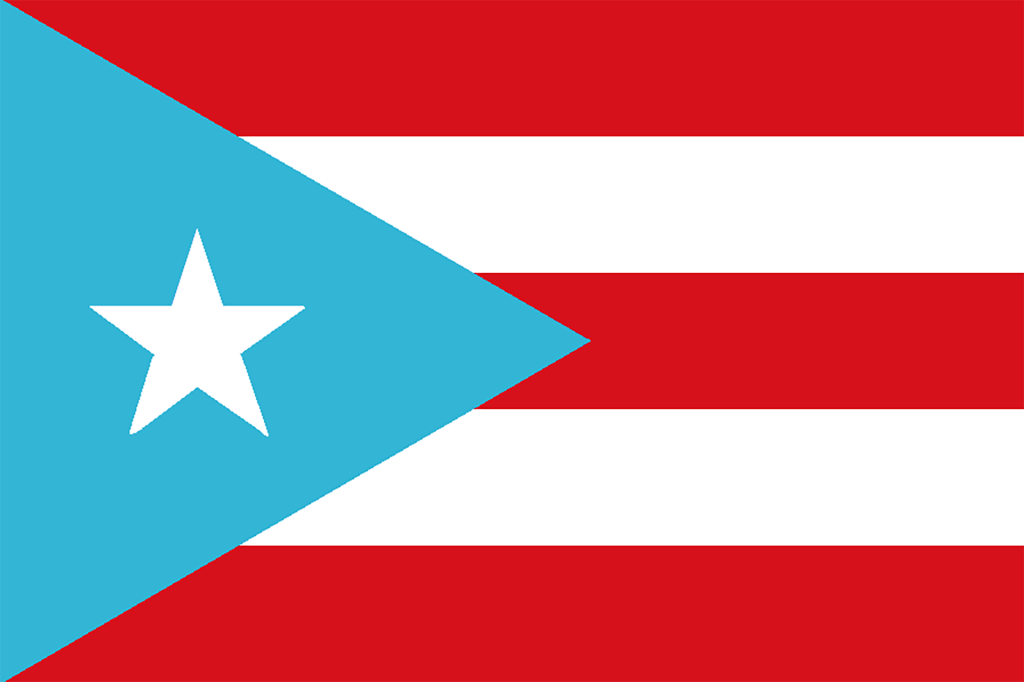
65 YEARS OLD, DAUGHTER OF PUERTO RICO.
Growing Up
Everything fell on me because I was the oldest one, the oldest of nine. When it came to discipline, it was the same. We all got ‘chancleta,’ we got the belt, everything. But as far as household responsibilities, everything fell on the girls.
At the age of 8, I was already doing rice and beans and taking care of my siblings. My parents owned a bodega down the block, but it was more like a huge supermarket. They used to work there 12 to 16 hours a day, so I had to watch out for all the kids. Cook for my mom, clean the house, and help with homework. We weren’t allowed to go out and had to stay in our apartment.
My father was an alcoholic. There were times when he’d drive home from running the bodega all day and would fall asleep in the car in front of the apartment. My mother used to wake me up and tell me, “Go get your dad because I’m not waking him.” My dad used to weigh, maybe, 200 pounds. I used to have this man leaning against my little body, bring him into bed, undress him, take his gun from him, and unload it at the age of 9.
When you’re young, you really don’t see anything wrong with it. You’re in it already. So, might as well just be comfortable with it. And then after that, that’s when it hits you, and you’re like, Wow, why did I have this responsibility being this young?
A Teenage Mother
I got pregnant at 15. I thought I was ready for it, because in a way, I had already gone through motherhood. So I felt like I already knew what to do when taking care of a baby. But I told my boyfriend, Luis, ‘I don’t know how we’re gonna face this.’
My mother had already started the procedure to send me to a home for troubled teens. She said she would rather see me in a home than see me have a boyfriend. We made a plan fast. The day they were supposed to come to take me away, we got plane tickets and flew to Puerto Rico.
I called my mom, but she didn’t want to speak to me. Nobody in New York wanted to speak to me. I called her and asked her for my birth certificate because Luis and I were getting married. I guess that made it a bit easier when she realized that I was getting married and wouldn’t be a single mom. But I missed my brothers, I missed my dad. My father had started getting sick; he had heart problems during that time, and they eventually had to sell the store.
Marie was born in Arecibo, Puerto Rico, in August 1975. What shocked me the most was when she was diagnosed with hip dysplasia. I was young, and I didn’t know what to do. We only noticed that she had a problem with her leg when my mom came to visit around six months after she was born. We went back to New York to get treatment for her leg.
Before my dad died, when I had just come back to New York for Marie’s treatment, he took responsibility for her. I was a minor, and he took guardianship of her. The day we stepped into the hospital with Marie, they admitted her. She had the casts on her legs, and my dad had heart problems, so I was constantly in the hospital going between them.
During Marie’s treatment, that’s when my father passed away. My mother was a widow at 37. After he died, we went back to Puerto Rico. I had my second daughter, Jari, in July of 1978.
Eventually, we had to come back to Brooklyn. I drove a school bus, worked in a factory, and was a security guard at JFK. I never had plans to come back to Brooklyn, and definitely had no plans to move to Staten Island. But we got evicted from our apartment. We had put in an application with the Department of Housing and got the apartment in West Brighton soon after.
Community
I used to take my kids to the dental office, and the secretary asked me if I wanted to work for the doctor. I had no experience, not even a high school diploma, and I didn’t have anyone to watch my kids. I was still married, and at that point, I had three kids, but she kept on calling me for two weeks. She’d say, “Dr. Lasky is waiting; he still wants you. He says you’re capable and he’ll train you.” So I gave it a try.
And no lie, two weeks after I started, I became a single mom.
When I first started as a dental assistant, my hands used to shake. I was right-handed, and everything had to be done left-handed: giving him the instruments and the movements you have to do with your fingers. But I learned it. He showed me how to put a crown in, sharpen the tooth down, do impressions, and cement teeth.
I was in my early twenties, living in the projects where they worked the rent based on your income. I was making $100 a week, and when I became a single mom, Dr. Lasky gave me a bit extra. I went on welfare, and we had food stamps.
I almost quit my job because I didn’t have anyone to watch my kids. But Dr. Lasky didn’t let me. He said, “Bring the kids to the office. They can do their homework here. Your two daughters could help out here, and your son can hang out in my office. You don’t need to pay for a babysitter.” The girls would take X-rays, take out the trash, and file charts. And he paid them too, so that helped us a bit.
Dr. Lasky helped me when Jari went to college; he let me borrow his brand new car, a BMW, so I could move her in. I always had the opportunity to leave, but it was so convenient. It was right across the street from the projects. What else could I ask for? No money for transportation, no lunch money, no commute. The only bad commute was in the ice and snow. He trusted me so much, and the patients did too. I worked there for 20 years.
There are people in there who will stand with you. Miss Brown would watch all the kids; she was the grandma of the projects. If she said, “Stop,” you stop. And if she said, “Jump,” you’d say, “How high?” Pops had the corner store across the street. He had an IOU notebook, and you’d pay him monthly. I remember going in there one day, and he told me, ‘I know you’re a single mom, I know you’re by yourself. Pay me whenever and whatever you have. If you have $1, bring that in, and I’ll write down what you owe me at the end of the month. I’m here to help the community.’ He gave you whatever you wanted, not only food, but anything in the store. There were times we were short on rent, and I would go around asking people to lend me money. Ramon, a bodega owner, would help me: “I’ll give you $100, you give me back $110.”
I did what I had to do the right way. None of my kids had to go steal anything from anybody to get something to eat. We used to like a bag of 10 or 20 chicken wings for $2, where are you gonna get that now? We used to have dinners that, forget it, rich people won’t have. And we didn’t have money. Have you ever had white rice with ketchup? Try it.
A lot of people think that living in the projects is for low-lifes or for people who aren’t going to get anywhere. And you know, it’s amazing how many people who are professionals come out of the projects. There are lawyers, doctors, and you get all kinds of people from there. Like Jari’s a DAISY Award-winning nurse! They know what struggle is, they see it, and they say, ‘I’m not gonna do that. I’m gonna go to school.’ Jari was the first member of the whole family to go to college. It shocked people because they thought my kids weren’t going to go anywhere since they were the ones raised in the projects by a single mom.
Sometimes I regret getting married at a young age, I’m not gonna lie. I got divorced, remarried, and had two more kids. I wanted to become a nurse, but I didn’t get to do that. God blessed me with a daughter who’s a nurse and one who’s a physician assistant. Sometimes I sit down and say, “How did we do it?”
This story has been edited and condensed from an interview.
Tales of Parentification of Latina Eldest Daughters in Medicine
Designed with WordPress
 LA OTRA MAMÁ